Choosing a Multiplex Builder in Toronto. An owner's due diligence guide.
Licensing status, insurance coverage, contract form, and warranty terms are all verifiable before a contract is signed. What to confirm during procurement on a Toronto multiplex, and how to compare bids that are not comparable as submitted.
Before signing a construction contract for a Toronto multiplex, confirm the builder's HCRA licence status where the project falls within the statutory definition of a home, current WSIB clearance, commercial general liability and course-of-construction insurance, the standard form contract proposed and any amendments to it, how change orders are priced, the written warranty terms, and references from completed multi-unit projects. Each item is verifiable independently and in writing.
Selecting a multiplex builder in Toronto carries more consequence than most owners expect, and it can be approached far more rigorously than price comparison alone allows. Licensing status, insurance coverage, contract form, and warranty terms all affect the owner's position materially if the project encounters difficulty, and all of them are verifiable before signature.
This article sets out what an owner should confirm during procurement. It does not address how a multiplex is constructed; that subject is covered in Multiplex Construction 101 and on our multiplex construction page.
The verification list.
-
01
HCRA licence status
Required where the project falls within the statutory definition of a new home. Confirm the position for your project rather than assuming it either way.
-
02
WSIB clearance certificate
Current, and issued in the legal entity name that signs the contract. Refresh it periodically through the build.
-
03
Commercial general liability
Check the limit, the policy period, and whether it responds to the work contemplated, with the owner named where appropriate.
-
04
Course-of-construction coverage
Builder's risk. Establish who carries it, what it covers, and the deductible. This is a frequent gap where the contract is silent.
-
05
The contract form proposed
Which standard form, and what has been amended in it. Amendments matter as much as the form itself.
-
06
Written warranty terms
Duration, scope, and exclusions. Where no statutory warranty applies, this document is the owner's principal protection.
-
07
Multi-unit references
From completed multi-unit projects, not single-family work. Rated assemblies and inspection sequencing are where multiplex experience shows.
What actually applies to a multiplex.
This is the area most frequently misunderstood, and it is worth raising directly with prospective builders during procurement. Ontario's new home regime consists of two bodies. The Home Construction Regulatory Authority licenses builders and vendors of new homes under the New Home Construction Licensing Act, 2017. Tarion administers the statutory warranty under the Ontario New Home Warranties Plan Act. Both are engaged only where what is being built meets the statutory definition of a “home.”
That definition is narrow. Under section 1 of the ONHWPA, a home includes a self-contained one-family dwelling, a building composed of not more than two self-contained one-family dwellings under one ownership, and a condominium dwelling unit. The HCRA's advisory on the common definition of “home” states directly that the only class of multiple-unit residential building that might meet the definition is a condominium.
Two consequences for owners
First, an owner building a triplex or larger in single ownership should not assume Tarion coverage exists, and should confirm the position for their specific project directly with the HCRA and Tarion rather than relying on general guidance. Second, and more importantly, where no statutory warranty applies, the contractual warranty becomes the owner's principal protection: its duration, scope, and enforceability deserve close attention during negotiation rather than acceptance as boilerplate.
It is also worth noting that where a builder constructs a qualifying home under contract on an owner's land, the builder is deemed to be the vendor for warranty purposes, and licensing is required in any instance where an owner engages a builder to construct a home, including on land the owner already owns.
Statutory warranty position by project type
| Project Type | Statutory Warranty Position |
|---|---|
| Duplex, single ownership | APPLIESFalls within the definition; licensing and warranty apply |
| Triplex to sixplex, single ownership, held as rental | OUTSIDEGenerally outside the definition; no statutory warranty |
| Multiplex registered as a condominium | MAY APPLYEach dwelling unit may qualify; licensing and warranty apply |
| Owner-built, no builder engaged | NOT ELIGIBLENot eligible for warranty coverage |
Source references: Ontario New Home Warranties Plan Act, s.1, the HCRA advisory on the common definition of “home”, and the New Home Construction Licensing Act, 2017. Confirm the position for a specific project with the HCRA and Tarion directly.
The lowest submitted number is frequently the one carrying the most exclusions.
Four items confirmed in writing before work begins
Clearance certificate
Confirms the contractor's account is in good standing and protects the owner from exposure to unpaid premiums. Verify in the name of the signing entity.
Commercial general liability
Confirm the limit, the policy period, and whether it responds to the work contemplated. Excavation adjacent to neighbouring foundations is a specific infill exposure.
Course-of-construction
Establish who is required to carry it, what it covers, and what the deductible is. A frequent gap where the contract is silent on the point.
Professional liability
Applies where the engagement includes design services. Where design is procured separately, confirm the designer carries it.
Match the form to the delivery model.
Standard form contracts published by the Canadian Construction Documents Committee are widely used in Ontario and provide a tested allocation of risk. The form proposed by a multiplex builder in Toronto should reflect the delivery model actually being used, a stipulated price arrangement, a design-build arrangement, and a construction management arrangement are governed by different documents, and using the wrong one creates ambiguity that surfaces during disputes.
CCDC also publishes a contractor's qualification statement, which an owner may request during procurement. It provides a structured summary of a contractor's experience, financial capacity, and project history in a comparable format across bidders.
What the executed contract should address clearly
- Scope, including what is expressly excluded
- Whether pricing is stipulated, cost plus, or a guaranteed maximum, and how that is defined
- The basis and pricing method for change orders, and who has authority to approve them
- Schedule, including substantial performance and any provisions relating to delay
- Allowances, and the mechanism for reconciling them
- Warranty period and scope
- Dispute resolution
Owners weighing delivery models may find Design-Build vs General Contractor and Design-Build for Multiplex Projects useful, as both address that question in detail.
Why bids diverge, and what to request
| Variable | Why Bids Diverge | What to Request |
|---|---|---|
| Exclusions | Scope carved out and not stated prominently | A consolidated exclusions list |
| Allowances | Provisional sums set at differing levels | Allowance schedule with basis stated |
| Site conditions | Shoring, underpinning, and access assumptions differ | Stated assumptions for each |
| Servicing | Utility upgrade work included or excluded | Confirmation of scope and responsibility |
| Contingency | Carried by builder, by owner, or not at all | Where contingency sits and who controls it |
| Schedule | Different assumed durations and seasons | Programme with milestone dates |
| Overhead and fee | Presented differently between cost plus and stipulated price | Fee structure stated separately |
The lowest submitted number is frequently the one carrying the most exclusions, which is why scope normalisation matters more than headline price when comparing one multiplex builder in Toronto against another. A builder who declines to provide that detail during procurement is unlikely to become more transparent after award. Our approach to construction cost estimating is structured around producing that level of detail at the outset.
Reasonable grounds to seek clarification.
- 01Reluctance to provide insurance certificates or WSIB clearance in writing
- 02A proposed contract that is neither a recognised standard form nor prepared by counsel
- 03Deposit requirements substantially ahead of work performed
- 04References limited to single-family projects when the work is multi-unit
- 05Verbal assurance regarding warranty rather than written terms
- 06Pricing materially below the range of other bidders without an explained scope difference
- 07Absence of a written change order process
Frequently asked questions
Does a multiplex in Toronto come with a Tarion warranty?+
Not necessarily. The statutory definition of “home” covers a building of not more than two self-contained dwellings under one ownership, together with condominium dwelling units. A triplex or larger held in single ownership generally falls outside it. Owners should confirm the position for their project with the HCRA and Tarion.
Must a multiplex builder be licensed by the HCRA?+
Licensing is required where the project falls within the statutory definition of a new home, which includes duplexes and condominium units. Where a project falls outside that definition, HCRA licensing does not apply, and the owner's protection derives from the contract rather than from statute.
What insurance should a multiplex builder carry?+
Commercial general liability, course-of-construction coverage, and professional liability where design services form part of the engagement, together with current WSIB clearance. All should be provided in writing before work begins.
What is a WSIB clearance certificate?+
Confirmation that a contractor's account with the Workplace Safety and Insurance Board is in good standing. Obtaining and retaining current certificates protects an owner from liability for unpaid premiums.
What contract should be used for a multiplex project?+
A recognised standard form appropriate to the delivery model, whether stipulated price, design-build, or construction management. The form should match the arrangement actually in place and should be reviewed by a lawyer before execution.
Why do bids for the same multiplex vary so widely?+
Principally because of differences in exclusions, allowances, assumed site conditions, servicing scope, and contingency. Bids should be normalised against a common scope schedule before comparison.
What experience should a multiplex builder in Toronto demonstrate?+
Completed multi-unit projects rather than single-family work alone, familiarity with rated assembly construction and inspection sequencing, and references from owners of comparable buildings.
Working with 6ixBuild.
6ixBuild is a Toronto construction firm delivering multiplex and multi-unit residential projects within the 6ixGroup structure, alongside 6ixDesign where integrated design coordination is required.
In procurement, we provide insurance and clearance documentation on request, work from recognised standard form contracts, price change orders through a defined written process, and set out exclusions, allowances, and contingency clearly so that our submission can be compared meaningfully against others. Further background is available on our about page and in our project portfolio.
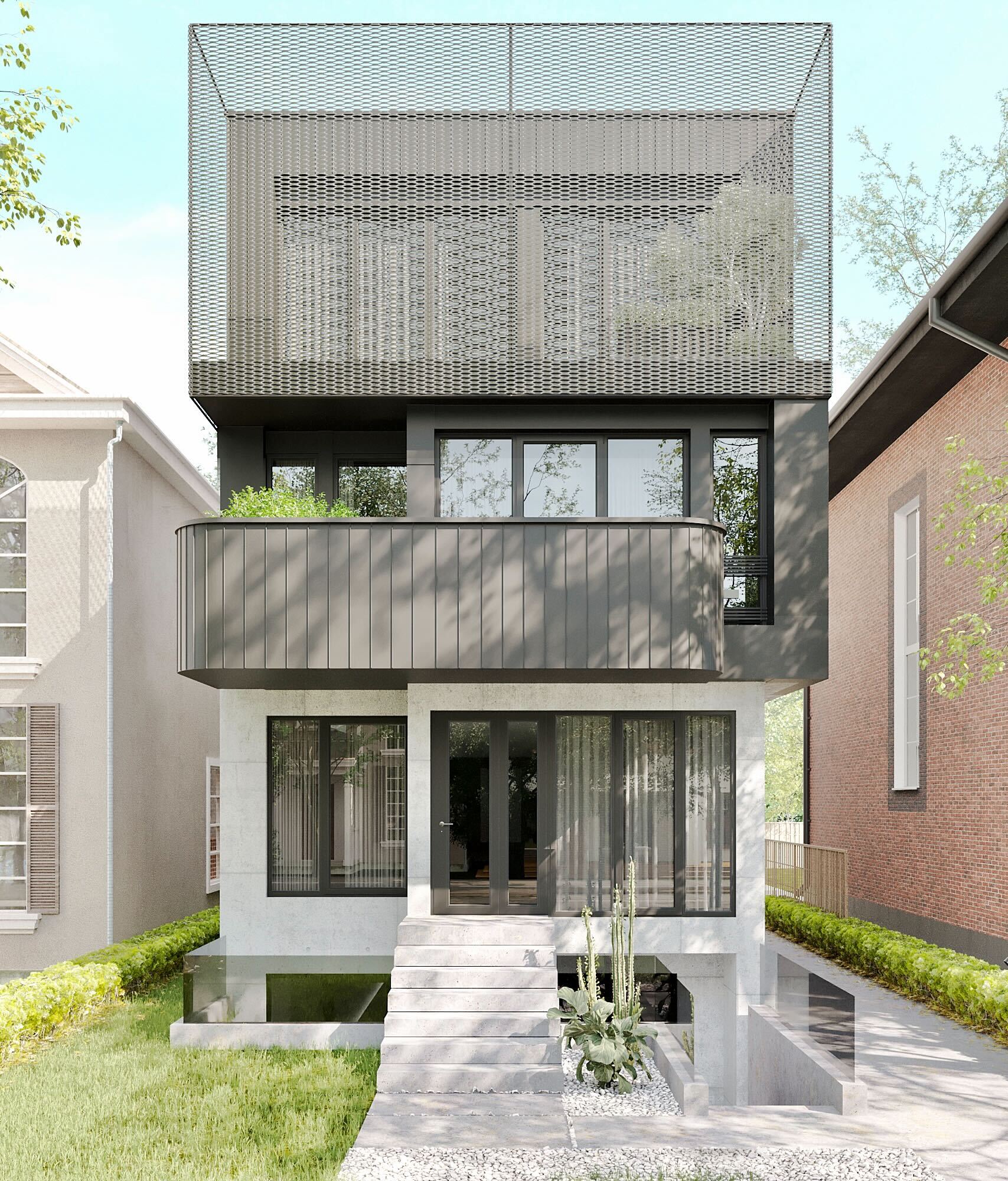
Two sixplexes are currently under construction with us in Toronto, both multi-unit residential work of the kind described above.
Currently on site
 Under construction
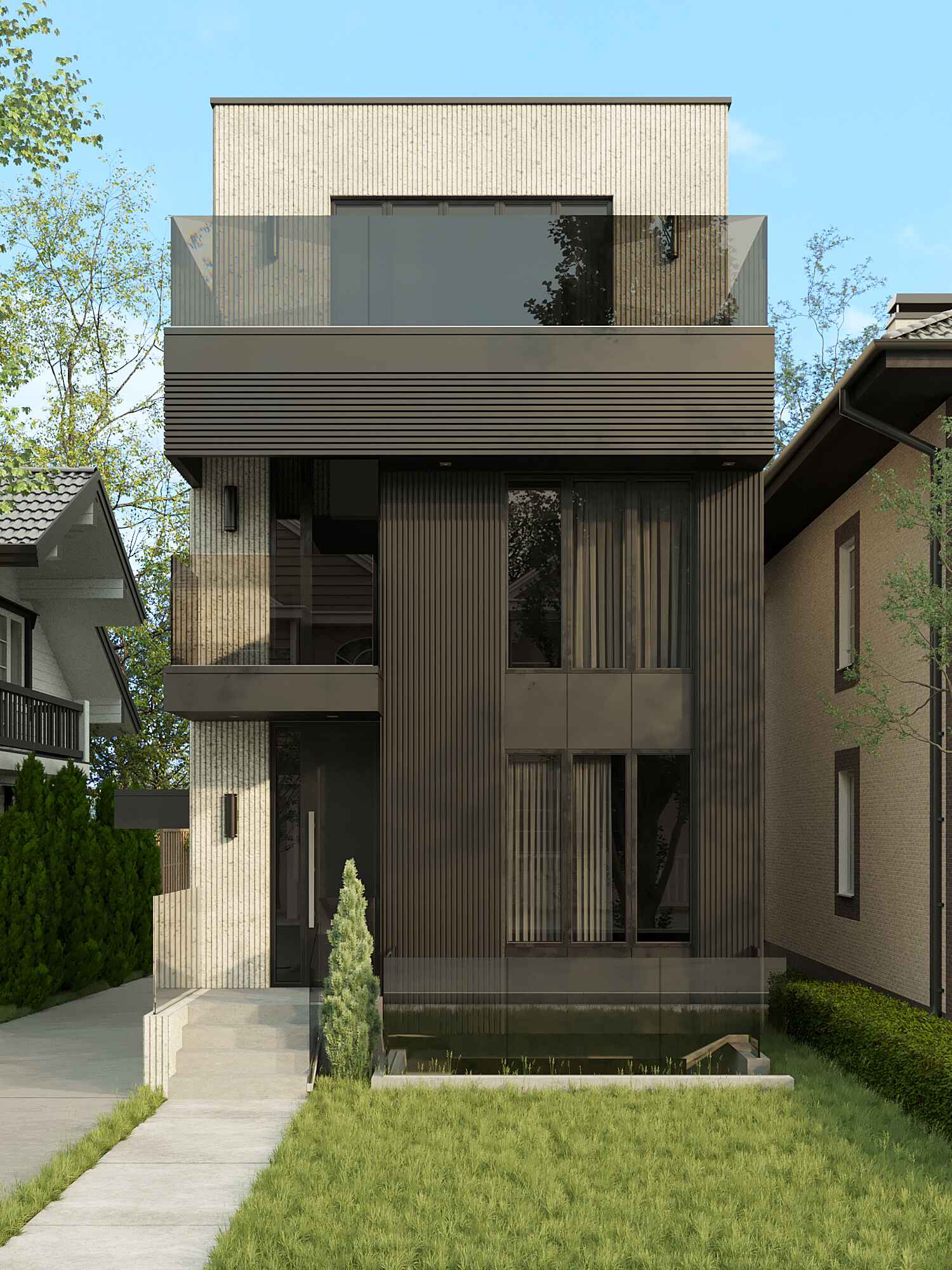 Under construction
Arranging a consultation
The selection of a builder is the point at which an owner has the greatest influence over the outcome of a multiplex project. Licensing, insurance, contract form, and warranty terms are all verifiable in advance, and the time spent confirming them is modest relative to the exposure they address.
If you are evaluating proposals or preparing to engage a multiplex builder in Toronto, we would be glad to review your documentation, confirm what our scope would include, and provide the verification material described above. We make your story a reality by building it properly, and by being straightforward about the terms on which we do so.
Evaluating proposals for a multiplex?
Send us the bid documents. We will review the scope, set out what our submission would include, and provide licensing, insurance, and clearance documentation for verification.